
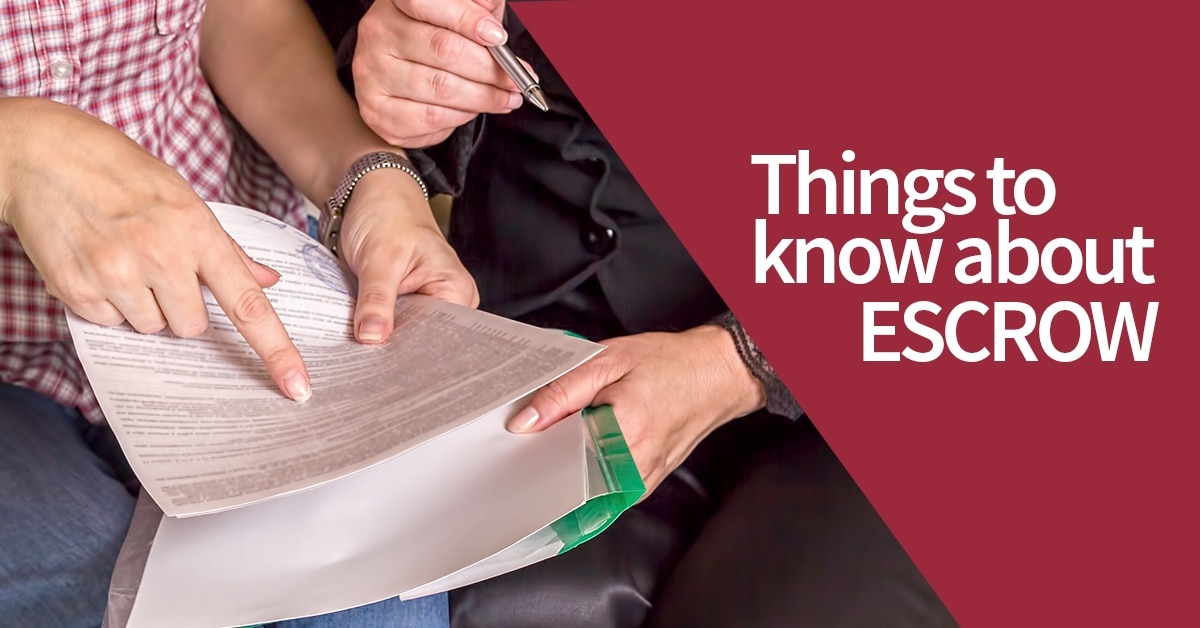
Escrow on a mortgage is an account your lender uses to collect and pay your property taxes and homeowners insurance for you. Part of your monthly mortgage payment goes into that account, and your lender pays the tax and insurance bills out of it when they come due. You may also hear it called an impound account.
One of the terms that is often used in the mortgage business, especially during the closing of a mortgage loan is “Escrows” or “Escrow Account”. An escrow account, sometimes called an impound account, allows you to pay the homeowners insurance and property taxes on your home. It’s important that your taxes are paid on time and in full to the county tax assessor to avoid penalties and tax liens. Essentially, every month the deposit amount for your escrow account will be added to your total mortgage payment. This deposit amount that will go into and build up your escrow account is determined based upon your insurance premium and your annual property taxes. The exact amount will be calculated at the closing of your mortgage loan. You may be wondering, “Why is the deposit for my escrow account added to my mortgage payment by my lender, instead of my lender giving me the freedom to pay it on my own?” The answer to that is simple. It’s for your own protection. Countless homeowners and new homeowners in particular have trouble keeping up with their taxes and insurance. Your lender adds your escrow account payment to your mortgage payment to ensure that every month there is money deposited into the escrow account.
Like we discussed earlier, your taxes need to be paid in order to keep away penalties from the county. Your insurance needs to be paid so that in the event of a fire or natural disaster you will have coverage for the repairs. By having money deposited into your escrow account when you make your monthly mortgage payment, you ensure that your escrow account will be padded with cash when it comes time for your taxes and insurance to be paid. Some mortgage lenders require an escrow account when your down payment is less than 20% of your home's purchase price (a loan-to-value ratio above 80%). Your ongoing escrow account is held and administered by your mortgage servicer, the company you send your monthly payment to. This is different from the escrow used to close your home purchase, which is handled by an escrow officer or title agent.
We went over a lot in this article, so let’s review.
An escrow account is a separate account your mortgage lender holds on your behalf to pay two recurring bills on your home: your property taxes and your homeowners insurance. You do not pay those bills directly. Instead, a portion of every monthly mortgage payment is set aside in the account, and your lender pays each bill for you when it comes due. Lenders sometimes call the same thing an impound account, and the two terms mean the same account.
The amount set aside is based on your annual property tax bill and your annual homeowners insurance premium, and it is calculated at the closing of your loan. Because tax and insurance amounts change over time, your lender reviews the account periodically and adjusts what you contribute so the balance stays sufficient to cover the bills.
Escrow on a mortgage is an account your lender uses to collect and pay your property taxes and homeowners insurance. A portion of your monthly mortgage payment goes into the account, and the lender pays those bills from it when they are due.
It pays the two recurring costs of owning your home that are billed separately from your loan: property taxes owed to the county, and your homeowners insurance premium. Keeping both current protects you from late penalties and tax liens.
It depends on the loan. Whether an escrow account is required is determined by your loan type and the terms your lender sets, and government-backed loan programs generally require one. Your loan documents state whether an escrow account is required on your loan.
Yes. Impound account is another name for the same account. Which term you hear usually depends on the lender and the part of the country you are in.
Refinancing replaces your existing loan with a new one, so the escrow account tied to the old loan is closed and a new escrow account is set up with the new loan. Any remaining balance in the closed account is refunded to you by your previous servicer, typically after the old loan is paid off.
Two different things are called escrow, and they are held by different parties. The ongoing account that pays your property taxes and homeowners insurance is held and administered by your mortgage servicer, the company you send your monthly payment to. That is separate from closing escrow, where an escrow officer or title agent holds funds and documents for the purchase transaction itself and then closes that file once the sale is complete.

Sources:
http://homeguides.sfgate.com/escrow-payment-mortgage-mean-42728.html
https://www.titleonecorp.com/buyerseller/whatisescrow.aspx
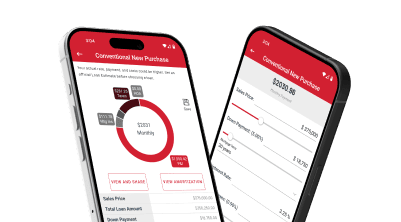
Install the Valley West Mortagage Mobile App for free today
and begin your path to owning a home.



Copyright 2026 Valley West Corporation DBA Valley West Mortgage. All Rights Reserved. NMLS #65506 | #VEGASSTRONG. This site is protected by Google reCaptcha and the Google Privacy Policy and Terms of Service apply.
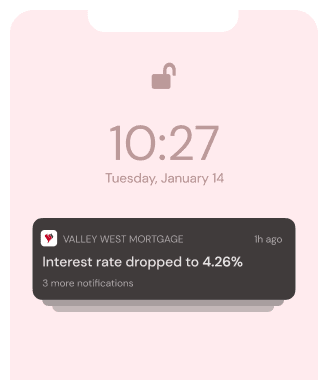
Instant notifications for your scenario
Let's do it⏰ Your offer will be delivered to your inbox in less than a minute!